
There are trips you keep telling people about for weeks, even when no one asks. My two weeks in South Africa are one of them. One week in Cape Town, one week in Plettenberg Bay – and the Garden Route in between, a stretch I had only ever known from postcards and will now never forget. Anyone who listens to me hears mostly two things: how well one eats and drinks here, and how deeply a place can slow you down, if you let it.
Here is the full report – with everything that stays with you.
Cape Town, or the Art of Eating Well
I had decided not to tick off Cape Town like a to-do list. Table Mountain, the Cape of Good Hope, the V&A Waterfront, the colourful Bo-Kaap – I saw all of it, and all of it is famous for good reason.
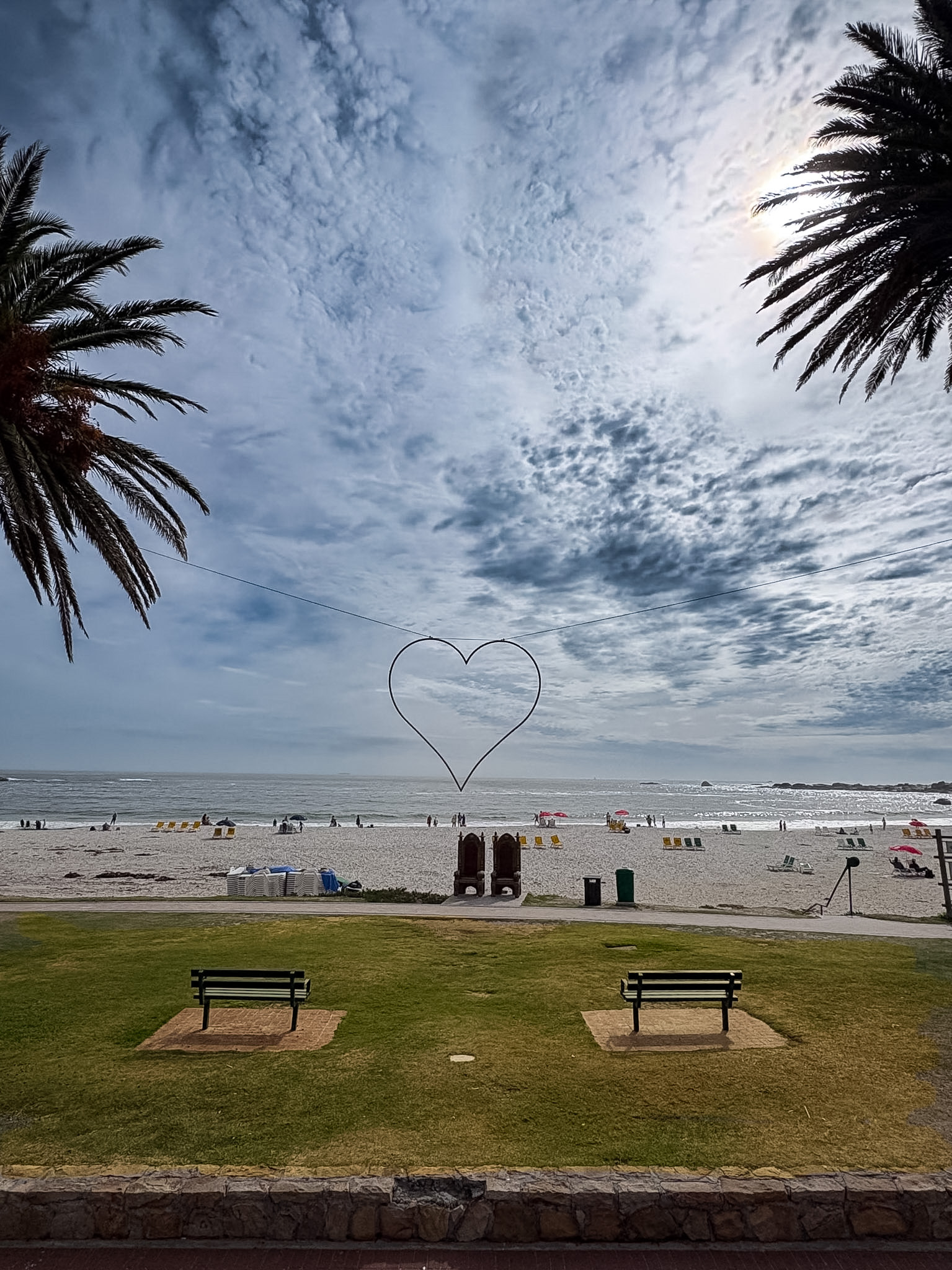
But my memory of this city tastes of something different: of grilled fish, of cool Chenin Blanc and of bread that was still warm when it arrived on the table.
On the very first evening it became clear to me that Cape Town is a city for those who love to indulge. The restaurants are often positioned so that you don't know where to look first – at the plate or at the Atlantic. I went with the plate, most of the time at least. Fresh oysters, the line fish of the day, curries that tell the story of the city – Cape Malay cuisine is a world of its own, spicy and warm and full of stories.
The real highlight of the week, though, lay a little outside the city. Anyone who travels to Cape Town and skips the wine regions is, in my view, making a mistake.
Constantia: Wine on the Doorstep
My first excursion took me to Constantia, the oldest wine-growing region in South Africa, which lies surprisingly close to the city.
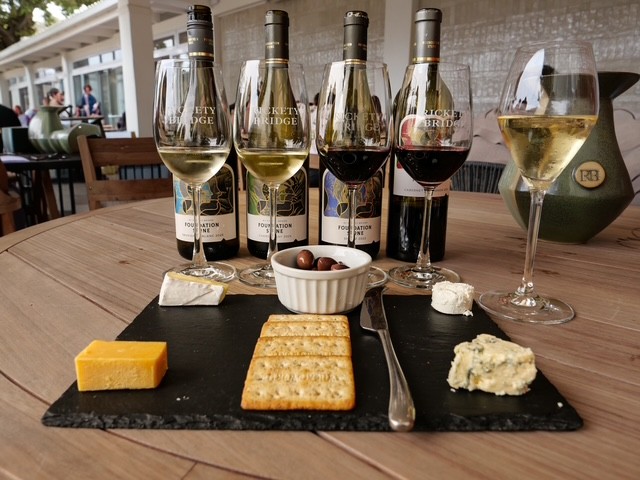
You drive for barely half an hour and suddenly find yourself among ancient oaks and rows of vines, as if someone had simply switched off the big city. I spent a whole day on wine tastings, making my way from one estate to the next, and the Sauvignon Blanc in particular has stayed with me – fresh, crisp, almost salty from the nearby sea. Add a cheese platter, a sun umbrella, not a single appointment in sight. That's how life should be.
Stellenbosch and the Franschhoek Valley
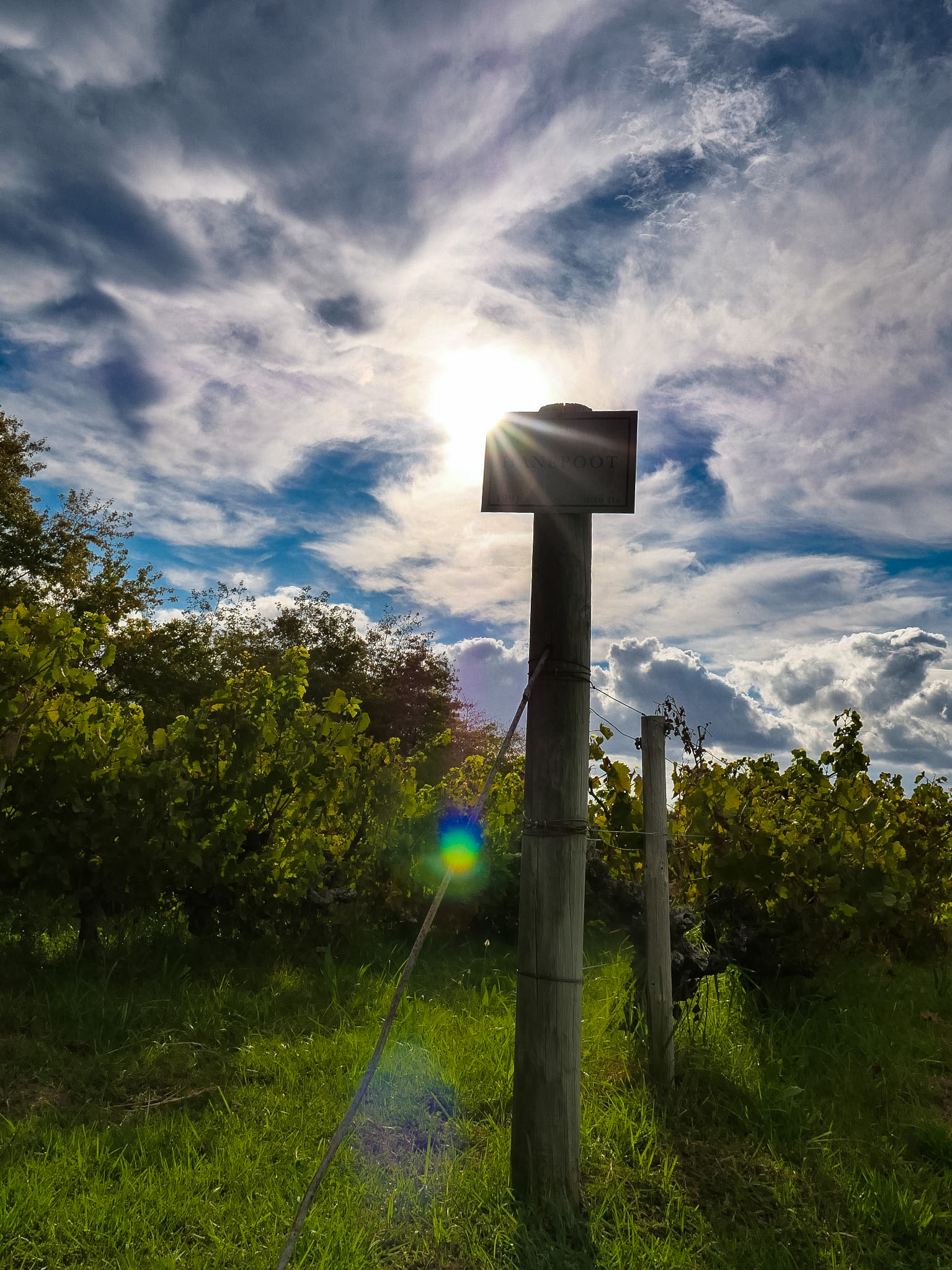
The most beautiful day of my Cape Town week I spent in the Winelands around Stellenbosch and Franschhoek. The landscape there is almost outrageously beautiful: gentle hills, rugged mountain ranges in the background, whitewashed Cape Dutch wine estates that look as if they had stepped out of a painting. I had arranged for a driver – a wise decision, because that way I could taste every glass without keeping one eye on the steering wheel.
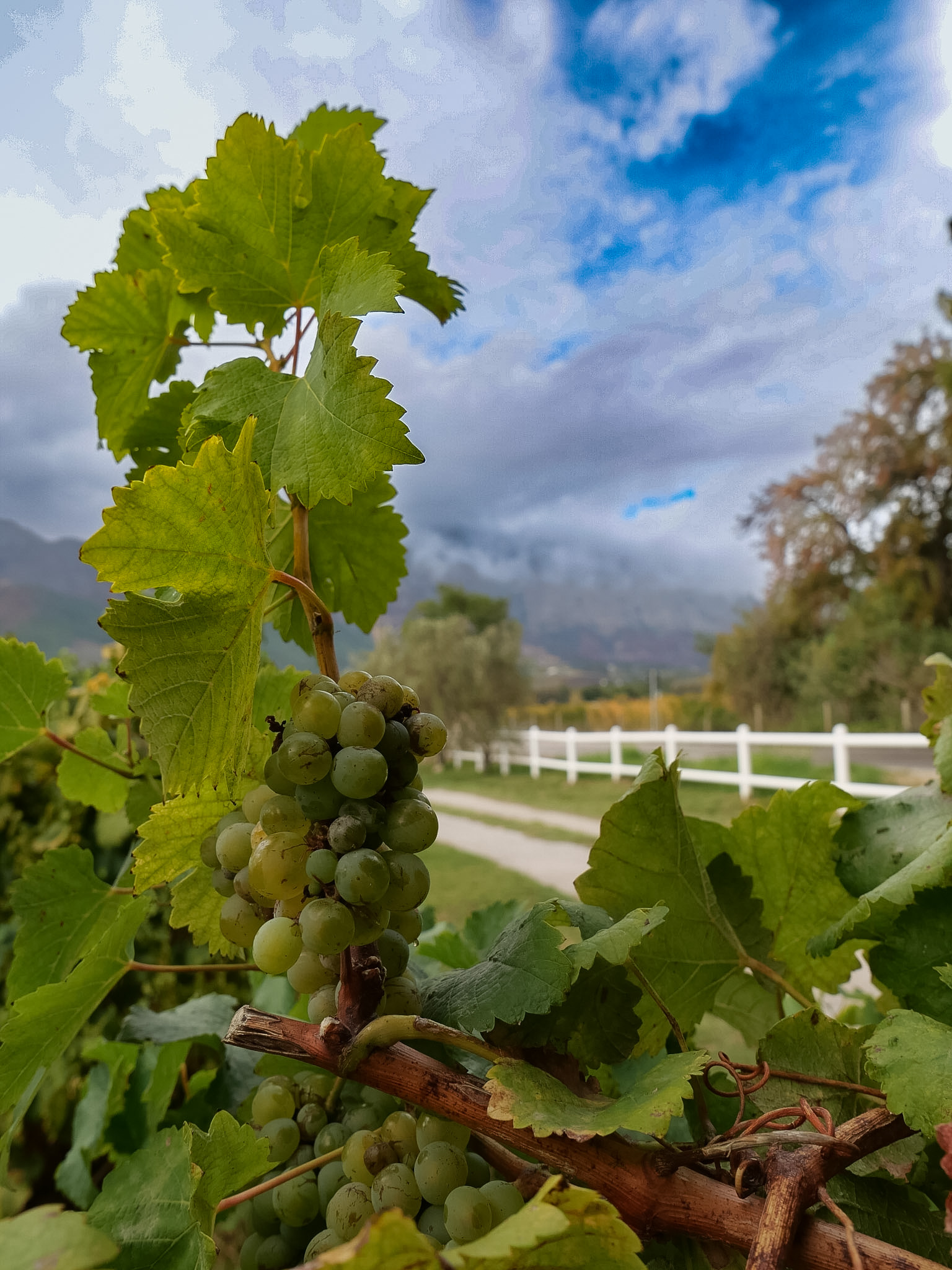
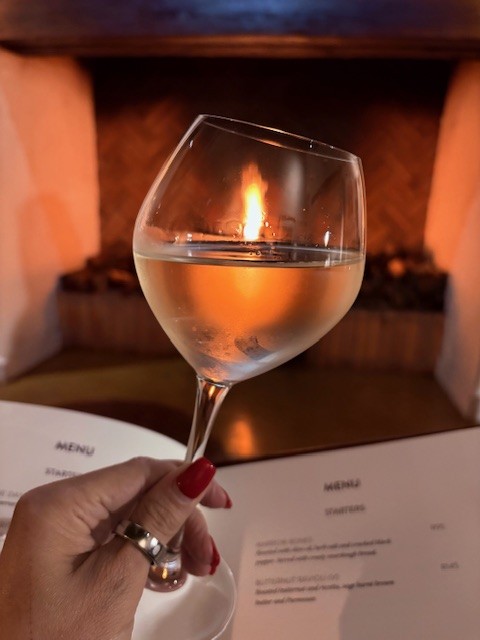
At one of the estates there was a wine pairing across several courses: with each wine a small, perfectly matched plate. A robust Pinotage – the grape variety that South Africa is particularly proud of – with slow-braised lamb. An elegant Chardonnay with goat's cheese.
It sounds like a cliché, but I sat there, looked out over the valley and genuinely thought: a day really needs nothing more than this. What surprised me: how effortless all of it was. No stiffness, no ceremony – South Africans take their wine seriously, but not themselves. It is exactly that mix that makes enjoyment here feel so easy.
After six days of city, sea and wine, I was sated in the very best sense of the word – and ready for the second part of the trip, which was going to be quite different.
Along the Garden Route Heading East
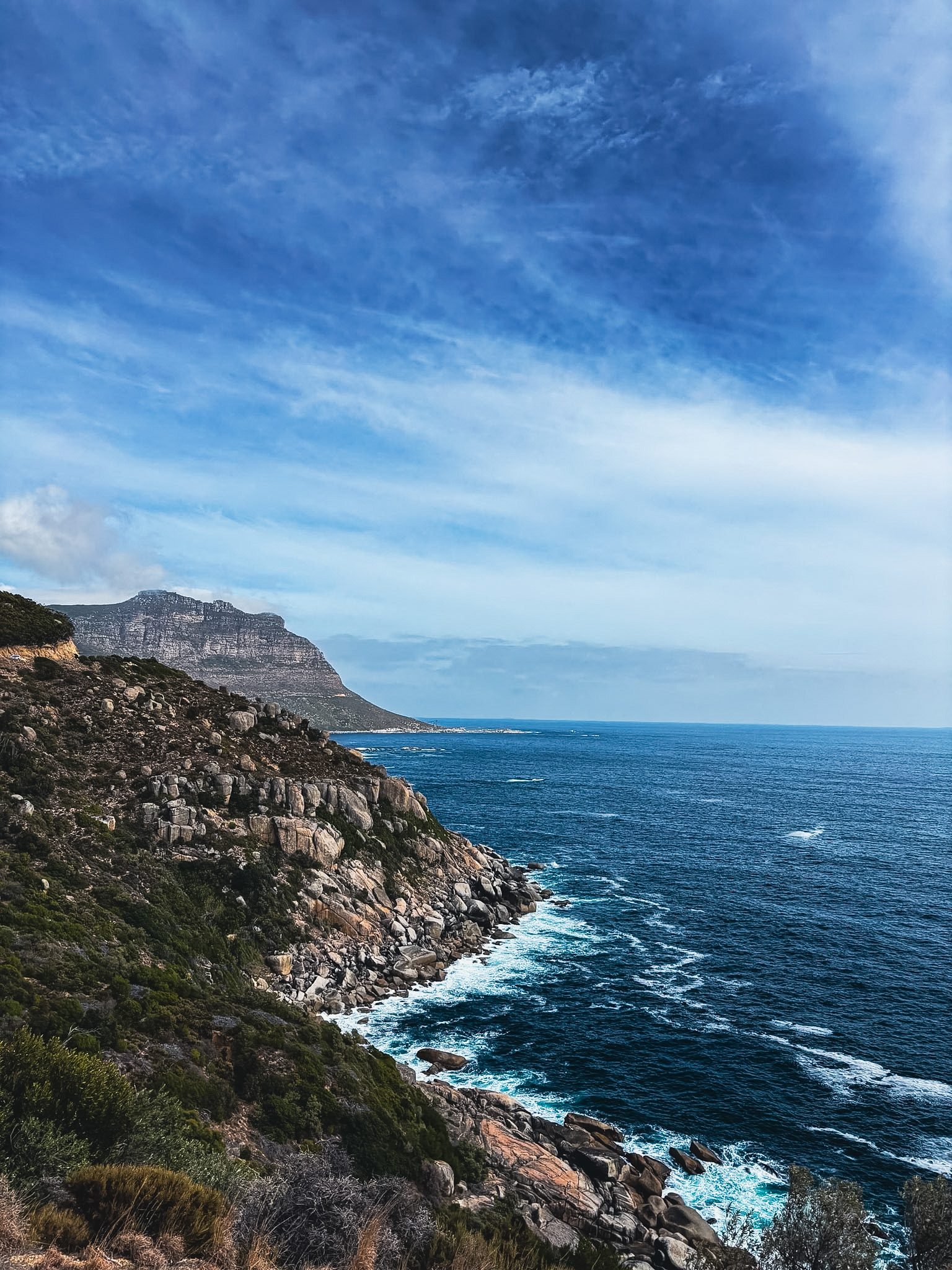
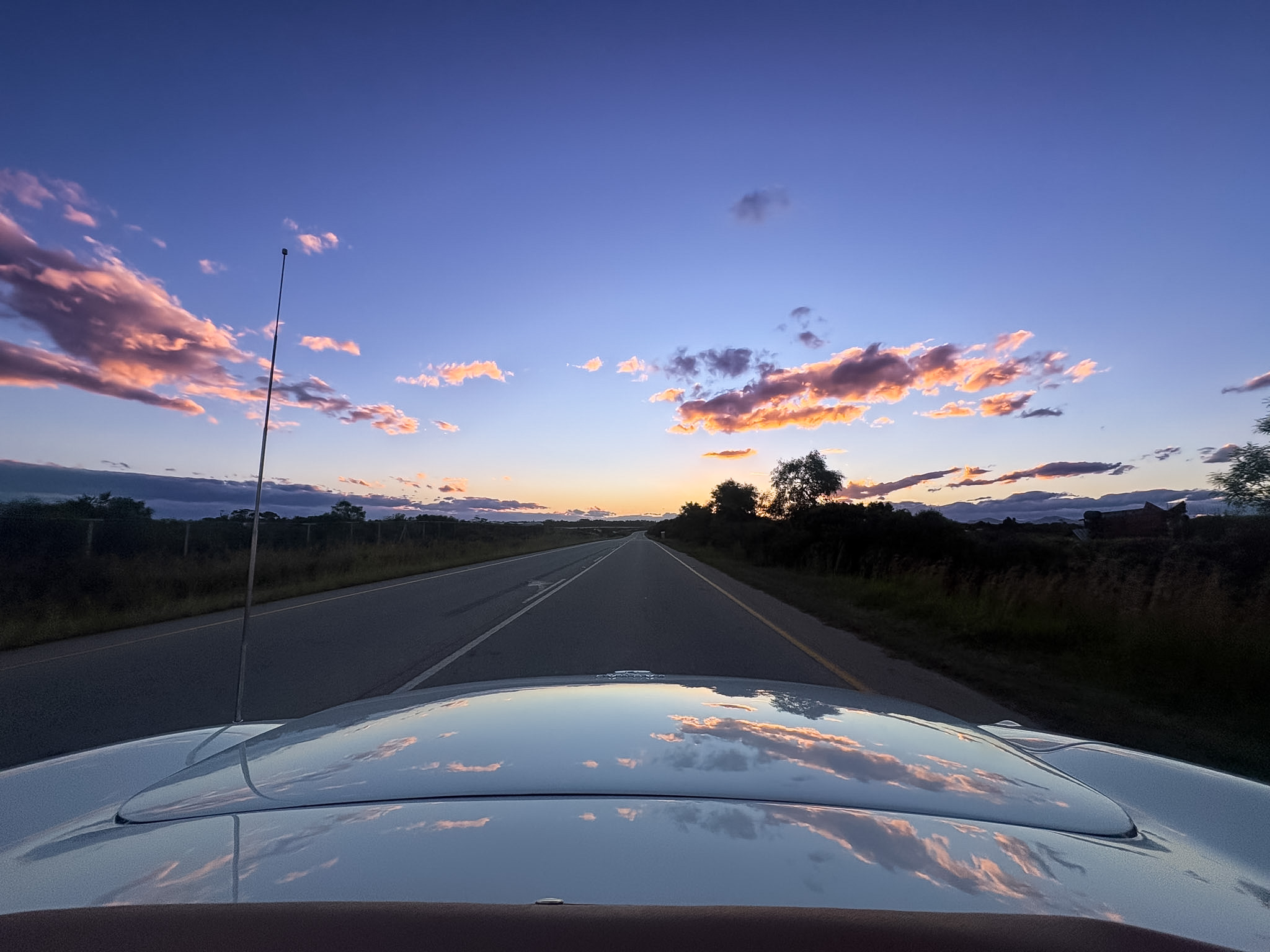
The drive from Cape Town to Plettenberg Bay is not a necessary evil between two destinations, but an experience in itself. The Garden Route runs along the coast, sometimes hugging the water, sometimes winding through green hills and forests. I deliberately took my time, stopped here and there, drank a coffee, looked out at the sea. With every kilometre I became a little calmer. The Garden Route gently prepares you for what is coming in Plett: slowing down.
Plettenberg Bay and the Cutty Sark Villa
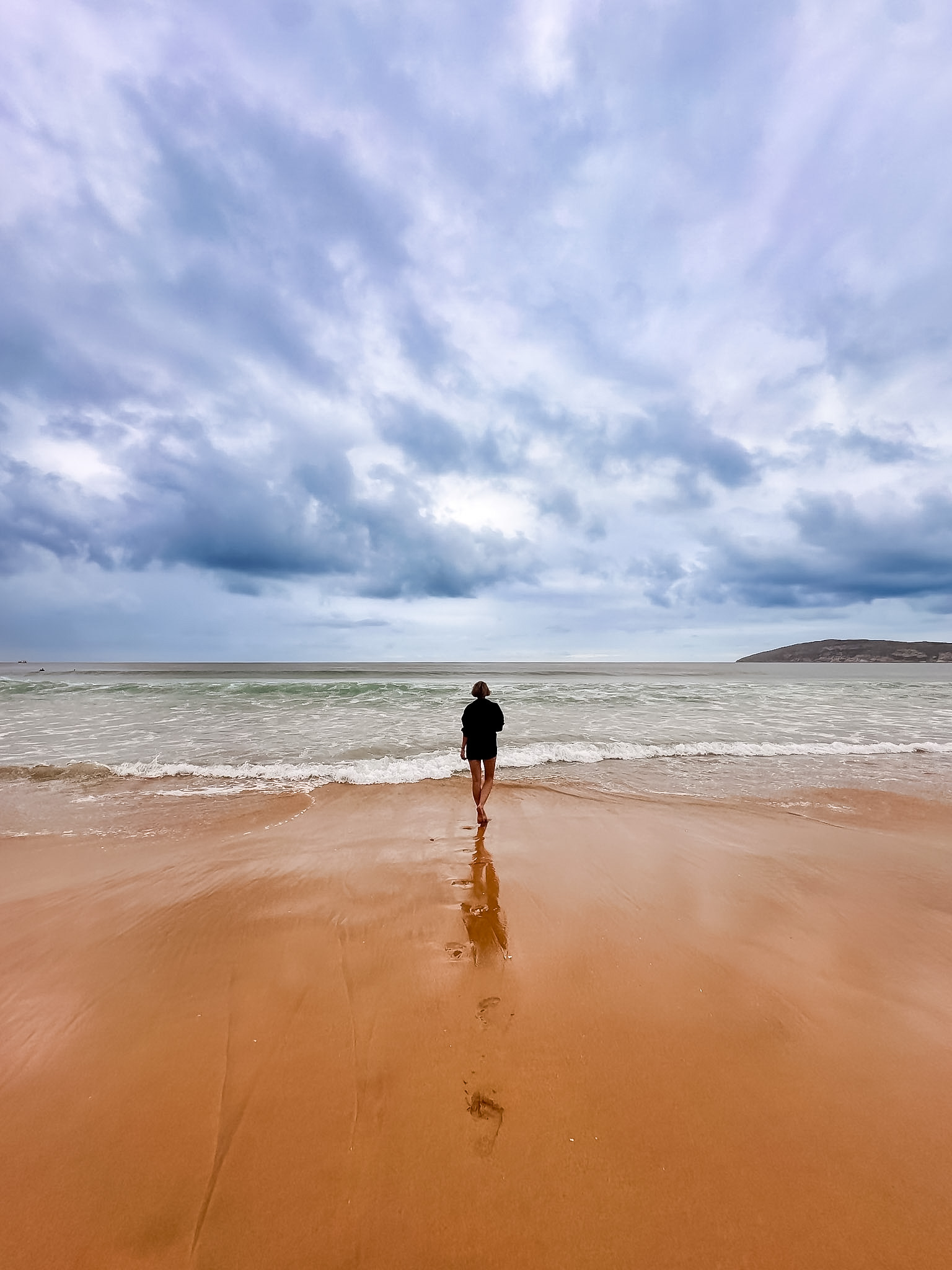
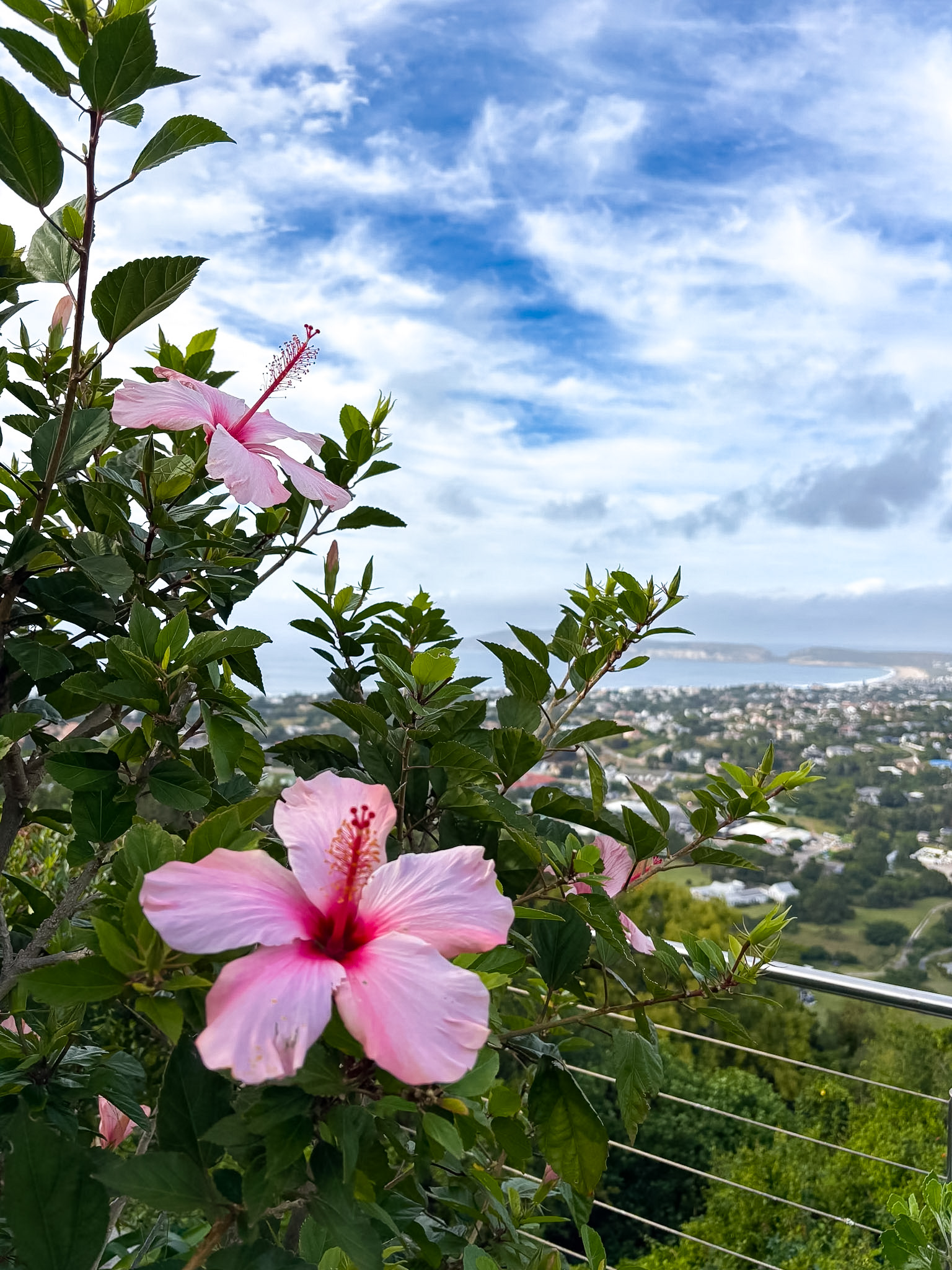
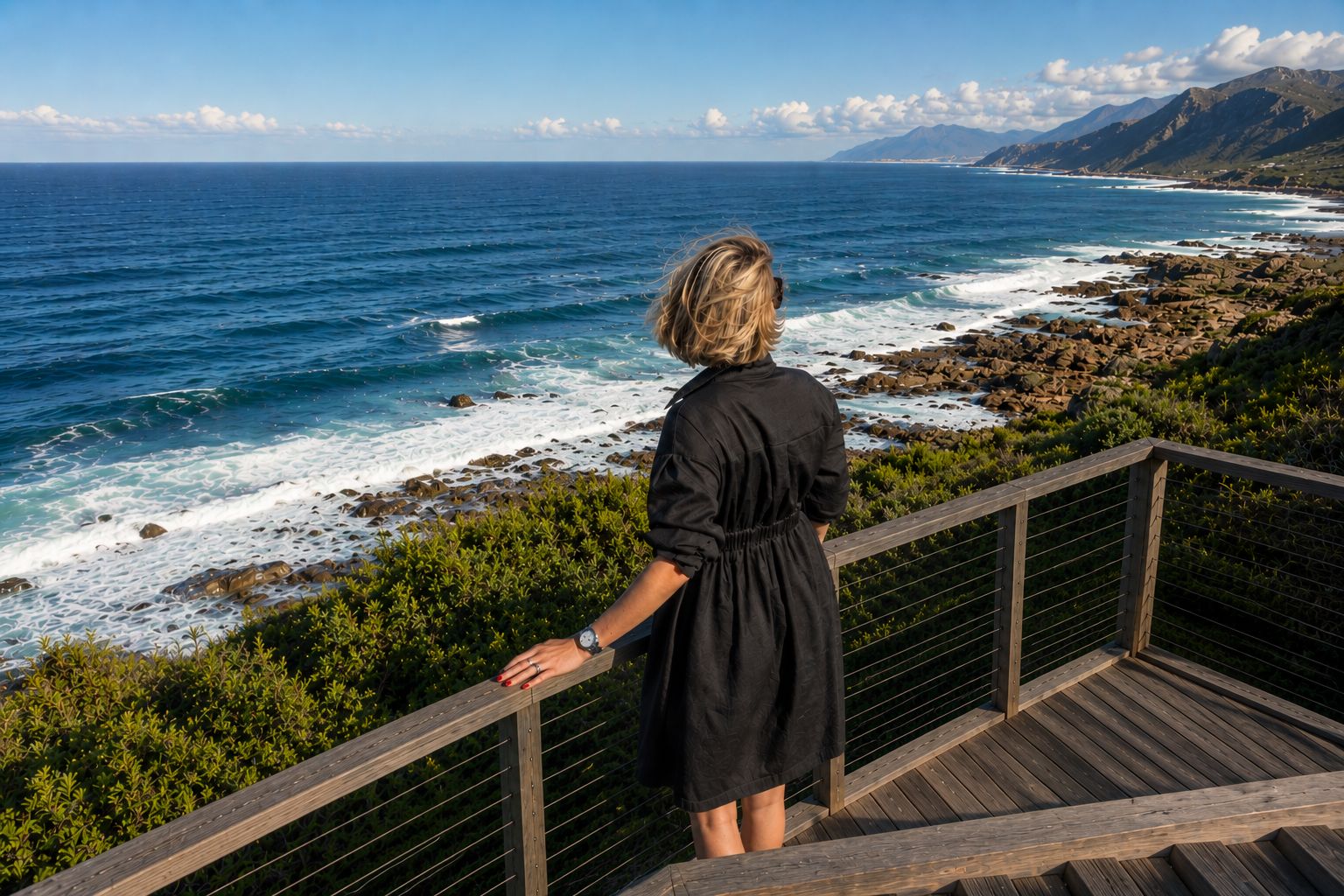
Plettenberg Bay – affectionately called “Plett” by everyone – is the place where I truly arrived. Long beaches, the Robberg Nature Reserve, the Indian Ocean in a shade of blue that almost looks unreal. Plett is glamorous without being demanding. It is the place where well-off South Africans spend their summers, and you can feel it – in the most pleasant, understated way.
And then there was the villa.
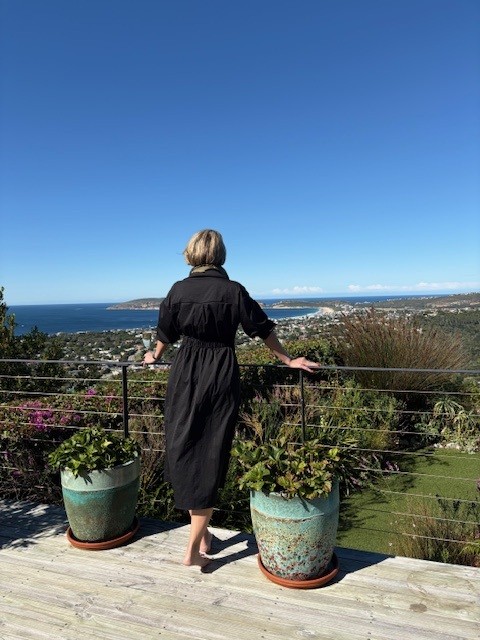
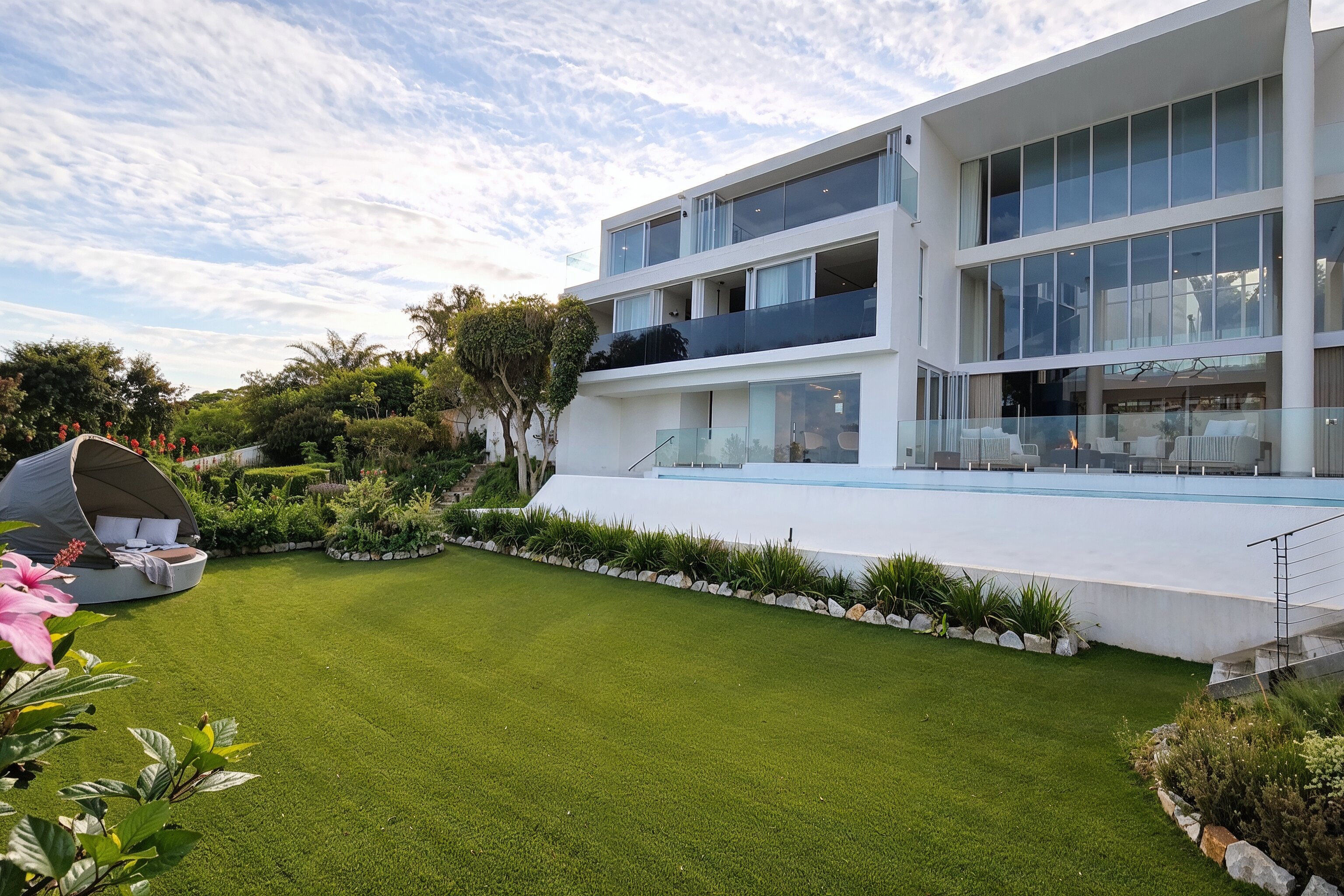
The Cutty Sark Villa sits on the famous Cutty Sark Hill, one of the best addresses in Plettenberg Bay. Even the drive up the hill had something ceremonial about it. And then the door opened, and I was standing in one of those rooms that involuntarily makes you hold your breath.
It is an architectural masterpiece – not a marketing phrase, simply the most accurate word. The open-plan living area flows seamlessly outside, inside and outside blur into one, and everywhere you look there is that 180-degree view: the glittering Indian Ocean, the Robberg Nature Reserve, the most beautiful corners of Plett, all at once, all from this elevated position. For the first half hour I didn't say a single meaningful word, I just walked from window to window.
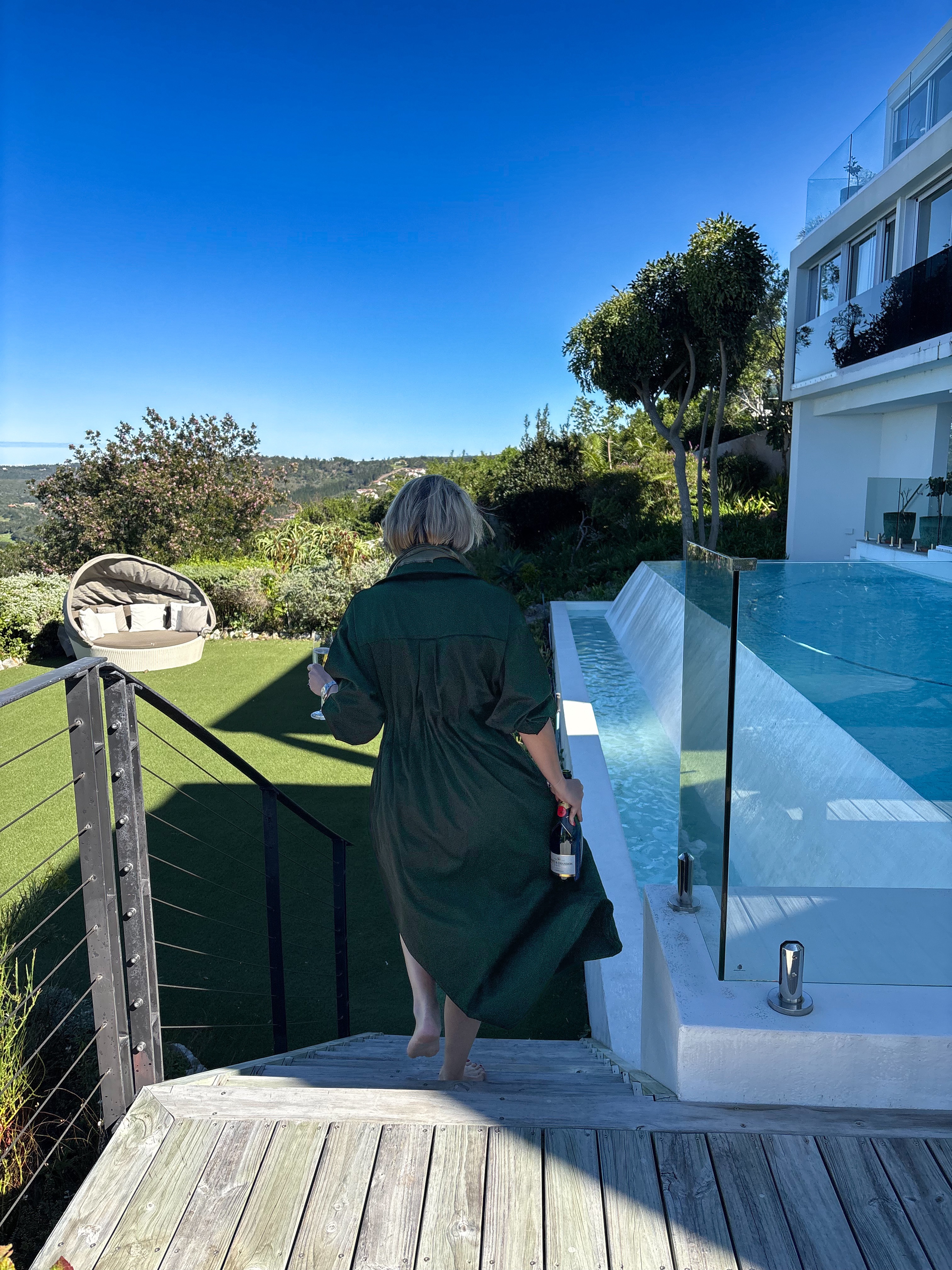
The villa has five bedrooms and five bathrooms, room for up to ten guests – generous, bright, elegantly furnished, with a state-of-the-art kitchen and spacious areas for dining and relaxing. The heart of it all, however, is the infinity pool that stretches along the length of the villa. You swim in it as if you were swimming straight into the ocean. I spent more time at, in and beside that pool than I would like to admit.
A Week Where Nothing Had to Happen
Here I have to be honest: I had originally drawn up a long list of excursions for the second week. By the second day I had quietly put that list to one side.
The Cutty Sark Villa is not a place you flee from in the morning to return to exhausted at night. It is the destination itself. My daily rhythm fell into place on its own: coffee on the terrace as the sun rose over the Robberg. A few laps in the infinity pool. A book I finally finished. The well-kept garden, the stillness broken only by the wind and the sea. It is astonishing how quickly the mind empties when the view in front of you is full enough.
What made this luxury perfect was the service. Everything could be arranged through the concierge – and I made grateful use of that. The greatest gift I gave myself was the private chef.
After a week of restaurant hopping in Cape Town, the thought of simply staying at home and still eating exceptionally well felt almost too good to be true. But that is exactly what the second week was.
Having a private chef in the villa changes everything. No reservations, no driving, no having to leave just when things are at their most beautiful. Instead: fresh ingredients from the market, dishes tailored to my wishes, and a laid table with a view of the Indian Ocean. Freshly caught fish, South African classics, paired with wines from exactly the regions I had driven through a week before. A full circle.
The villa also offers wine tastings and wine pairings, and I spent one evening doing exactly that – without leaving the house. A small cross-section of South African wines, each with a matching course, talked through, explained, all in unhurried calm. While in Cape Town the valley lay in front of me, in Plett it was the ocean. I couldn't say which was more beautiful.
Anyone who does want to go out is in very good hands in Plett – the restaurants in the area are excellent, and the villa can also arrange guided culinary tours. I did it once, and it was wonderful. But I admit: most of all, I loved sitting on my own terrace.
What Remains
If anyone asks me now what South Africa was like, I have to pause for a moment to decide where to begin. With the vineyards of Stellenbosch, where a single day felt like a little holiday in itself? With the Garden Route, which made me a bit quieter with every kilometre? Or with that terrace on Cutty Sark Hill, from which I watched the ocean turn red in the evenings?
Perhaps that is precisely the answer: it was both. One week in which I sought abundance – culture, the city, wine, encounters. And one week in which I let it go and realised that less is sometimes the greater experience.
The Cutty Sark Villa played a role in this that I had not expected. I thought I was booking a beautiful place to stay. In fact I had booked the place where the trip found its meaning.
Would I go back? In a heartbeat.
And next time I will plan less from the start – because I now know that the best moments are the ones you don't plan at all.